
July 6, 2026
Protecting Your Backyard Oasis During a South Florida Hurricane
Learn how to safeguard your South Florida pool before a major storm hits. Our expert guide covers water levels, equipment protection, and post-storm recovery steps.
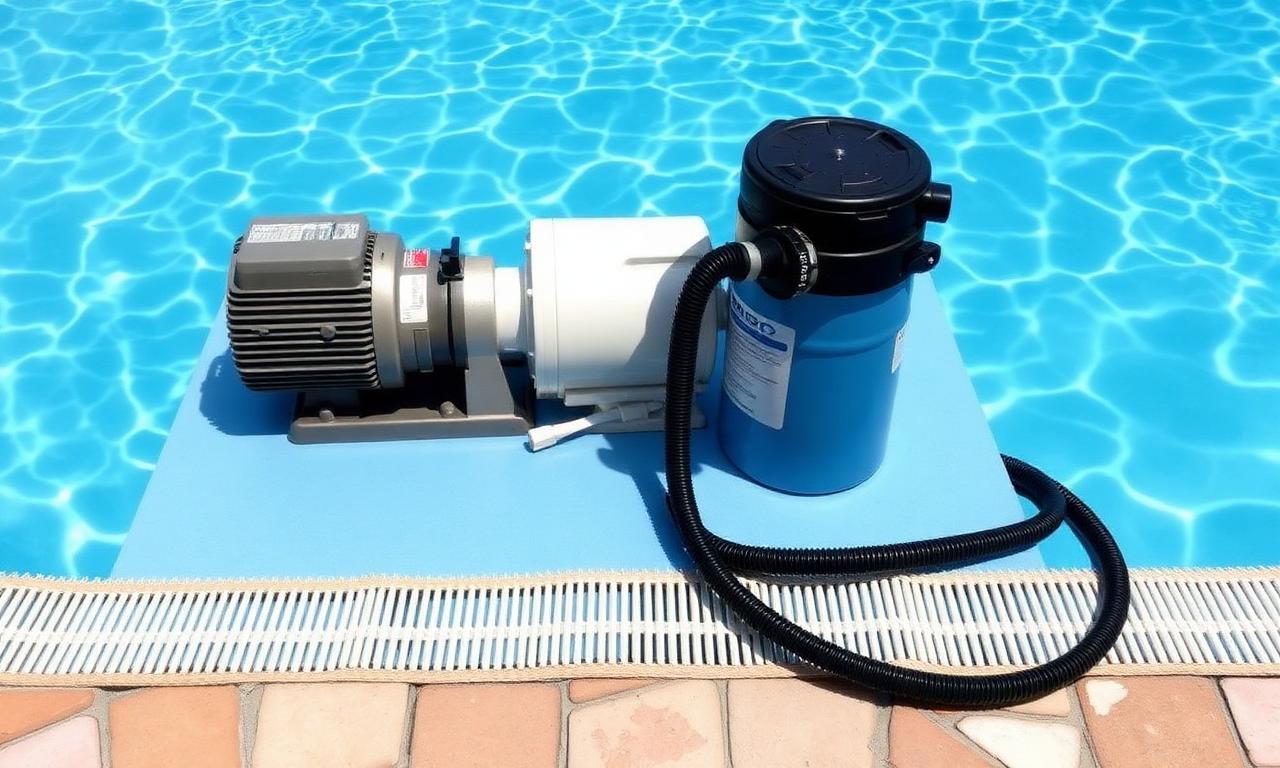
Living in Palm Beach County means accepting that hurricane season is a way of life. For pool owners, these storms present a unique set of challenges. Between the torrential rains, high-velocity winds, and the potential for saltwater intrusion if you are near the coast, your swimming pool needs a specific set of protections to weather the storm safely. At Collegiate Pools, we have seen every type of storm damage imaginable, and we know that a little bit of foresight goes a long way in preventing expensive repairs.
Preparation starts long before the cone of uncertainty points toward our coastline. While the impulse might be to drain the pool or toss furniture into the water, those common myths can actually cause more harm than good. Here is the practical, technician-approved approach to preparing your backyard for a hurricane.
Leave the Water Level Alone
One of the most frequent mistakes homeowners make when a storm approaches is draining their pool. It seems logical; you know heavy rain is coming, so you want to create space for it. However, in South Florida, the water table is incredibly high. When the ground becomes saturated with rain, it creates upward hydrostatic pressure. The water in your pool acts as a weight that holds the shell in the ground. If you drain the pool, the pressure from the groundwater can literally lift the pool out of the dirt, causing catastrophic structural failure or popping the pipes.
Instead of draining the pool, leave the water level where it is. If you are truly concerned about overflow, you can lower it by no more than a few inches, but never below the skimmer line. Most pools are designed with overflow drains that will manage the excess water. A flooded deck is a temporary inconvenience, but a popped pool is a permanent disaster.
Safeguard Your Electrical Equipment
The most expensive components of your pool are the pump motor, heater, and salt cell. These are all vulnerable to water damage and power surges. As the storm approaches, turn off the power at the main circuit breaker. This prevents the motor from trying to run during a surge or if the intake becomes clogged with debris, which could burn out the motor.
If your pool equipment is located in an area prone to flooding, you may want to consult with a professional about temporarily disconnecting the motor and moving it to higher ground. However, for most tropical storms and low-level hurricanes in our area, simply cutting the power and wrapping the equipment tightly in plastic sheeting and duct tape can provide a layer of protection against driving rain. Just remember to remove the plastic as soon as the storm passes to prevent moisture buildup and overheating.
Manage Debris and Loose Items
You might have heard the old trick of throwing patio furniture into the pool to keep it from blowing away. As pool technicians, we strongly advise against this. The metal frames can rust and stain your plaster, and the heavy furniture can chip the finish or damage the tile line. Furthermore, chemicals in the pool can ruin the finish on your outdoor furniture.
Instead, move all chairs, tables, pool toys, and cleaning equipment into a garage or shed. If you have a screen enclosure, check for loose panels. Some homeowners choose to remove a few screen sections to allow wind to flow through the structure more easily, which can sometimes prevent the entire frame from collapsing under extreme wind pressure. Additionally, trim any overhanging tree branches nearby. In Palm Beach County, palm fronds and coconuts become projectiles during 100-mph winds, and keeping them away from the pool area reduces the amount of organic matter that will inevitably end up in your water.
Chemical Preparation and Aftermath
Before the storm hits, it is a good idea to shock your pool. Adding a dose of liquid chlorine will help the water fight off the influx of organic debris and bacteria that the wind and rain will bring. A well-balanced pool handles the stress of a storm much better than a neglected one. Once the storm passes, do not immediately jump in the water. The rain often alters the pH balance significantly, and storm runoff can introduce contaminants.
After the winds die down, the first step is to remove large debris with a net. Do not run your vacuum or filtration system until the large branches and leaves are out, as they will quickly clog your lines. Once the big stuff is gone, check your electrical equipment for signs of water damage before turning the power back on. If everything looks dry and intact, you can restart the system and begin the process of re-balancing your chemistry and filtering out the fine silt.
Navigating hurricane season is a team effort in South Florida. If you are unsure about how to secure your specific equipment or need help restoring your water balance after a major storm, Collegiate Pools is here to help. Reach out to our family-run team to ensure your pool is ready for whatever the season brings.