
July 2, 2026
Itchy Eyes and Irritated Skin? Blame Your Pool Chemistry
Red eyes and dry, itchy skin after a swim usually aren't caused by "too much chlorine." Here's what's really going on in your South Florida pool.
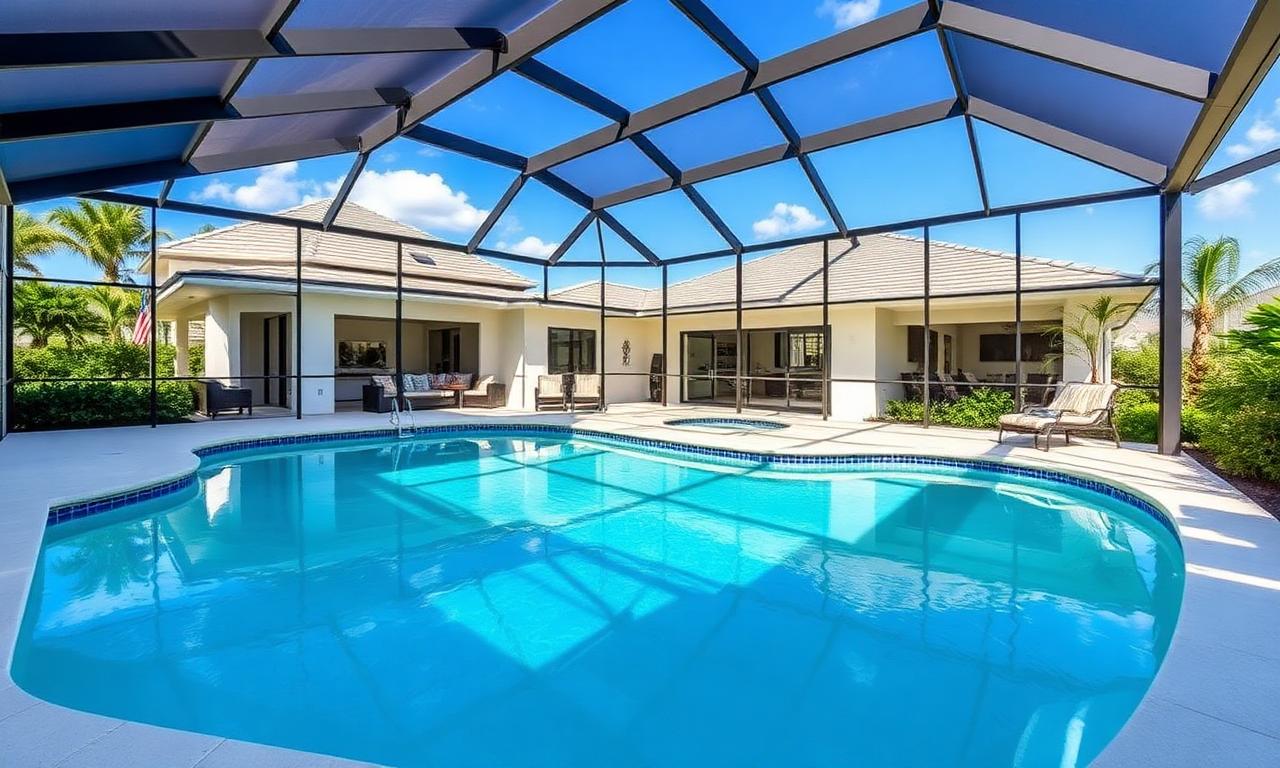
Ever climb out of the pool with red, stinging eyes and skin that feels tight, dry, or itchy for the rest of the day? Almost every pool owner has been there — and almost every one of them blames "too much chlorine." The truth is a little more interesting, and in South Florida it comes up more often than you''d think. Nine times out of ten, the culprit isn''t chlorine at all. It''s unbalanced water chemistry — the exact thing our team at Collegiate Pools dials in every single week for families across Palm Beach County.
Here''s what''s actually happening under the surface, and what to check the next time your family steps out of the pool rubbing their eyes.
It''s Almost Never "Too Much Chlorine"
Properly balanced chlorine is nearly odorless and gentle on skin and eyes. When your pool smells strongly of chlorine and swimmers come out irritated, what you''re actually smelling is chloramines — chlorine that has already bonded with sweat, sunscreen, body oils, urine, and organic debris. Chloramines are used-up, exhausted chlorine, and they''re the real irritants.
The fix is counterintuitive: you don''t need less chlorine, you need more. A proper shock (breakpoint chlorination) burns off chloramines and resets the water. In our South Florida heat and heavy swimmer loads, this becomes necessary more often than most homeowners realize — which is exactly why Collegiate Pools builds shock treatments into our weekly service routes when your chemistry calls for it, so you never have to think about it.
pH Is the Silent Troublemaker
Your eyes and skin have a natural pH right around 7.4. When your pool water drifts outside the 7.4–7.6 range, swimmers feel it immediately.
- Low pH (acidic water, below 7.2) strips natural oils from your skin, dries out hair, and stings the eyes. It also corrodes pool equipment and eats away at plaster and grout.
- High pH (basic water, above 7.8) feels slick and can leave a residue on skin. It also makes chlorine dramatically less effective, which lets chloramines build up — bringing us right back to the burning-eyes problem.
In Palm Beach County, pH tends to creep up over time thanks to hot weather, aeration from waterfalls or spillovers, and the naturally alkaline fill water many neighborhoods have. Weekly professional testing is one of the highest-impact things a pool owner can invest in — and it''s the first thing our technicians handle on every stop.
Total Alkalinity and Calcium: The Buffers
Total alkalinity (TA) acts as a shock absorber for pH. Keep it in the 80–120 ppm range and your pH will stay far more stable between service visits. When TA is low, pH bounces around wildly and swimmers notice — one day the water feels fine, the next day it stings.
Calcium hardness matters too. Water that''s too soft (below about 200 ppm) becomes aggressive and will actually pull calcium out of your plaster and grout, leaving swimmers with that "tight, dry" skin feeling after they get out. Too high, and you get scaling on tile and equipment. Balancing all six parameters together — not just chlorine and pH — is what separates a truly expert service from a "pour and pray" pool guy.
Cyanuric Acid: The Sneaky One
Cyanuric acid (CYA, or "stabilizer") protects your chlorine from being burned off by the Florida sun. But when CYA climbs too high — usually above 80 ppm — it "locks up" your chlorine and makes it far less effective. The pool looks clean, the test strip shows a chlorine reading, but the water isn''t actually sanitizing well. Chloramines build up, algae starts hiding, and swimmers feel the difference.
The only real fix for high CYA is a partial drain and refill — a job our team handles cleanly and quickly as part of full-service pool care.
What to Check When Skin and Eyes Complain
Before you dump more chlorine in the pool, run through this quick list:
- Free chlorine — 2–4 ppm in a residential pool
- pH — 7.4 to 7.6
- Total alkalinity — 80 to 120 ppm
- Calcium hardness — 200 to 400 ppm
- Cyanuric acid — 30 to 50 ppm (up to 80 for salt pools)
- Combined chloramines — as close to 0.0 as possible; anything above 0.5 ppm means it''s time to shock
If any of these are off, that''s almost certainly what''s bothering your swimmers — not the chlorine itself.
Why Palm Beach County Homeowners Trust Collegiate Pools
Between the heat, the humidity, sunscreens, salt air, afternoon thunderstorms, and pool loads that never really stop, our water chemistry moves faster than in most parts of the country. A pool that was perfectly balanced on Monday can genuinely be off by Friday.
That''s exactly the problem Collegiate Pools was built to solve. We''re a family-run, Jandy Service Pro–partnered team and a 2025 Nextdoor Neighborhood Favorite, and we take care of hundreds of pools across Palm Beach County — from Boca Raton and Delray Beach up to Jupiter and Palm Beach Gardens. Every weekly visit includes a full six-parameter chemistry test, brushing, skimming, basket cleaning, and equipment check — the kind of hands-on, detail-oriented care that keeps water feeling great and swimmers coming back in.
If your family is coming out of the pool with itchy skin and red eyes on a regular basis, don''t just add more chlorine and hope for the best. Let our team test your water, walk you through the numbers, and get your pool dialed in so swimming feels great again. Reach out for a free estimate — most of our new customers see the difference by the second visit.