
June 22, 2026
Managing Pool Water Levels During the South Florida Summer Heat
Learn how the intense South Florida sun affects your pool's water levels and what you can do to prevent chemical imbalances and equipment damage this summer.
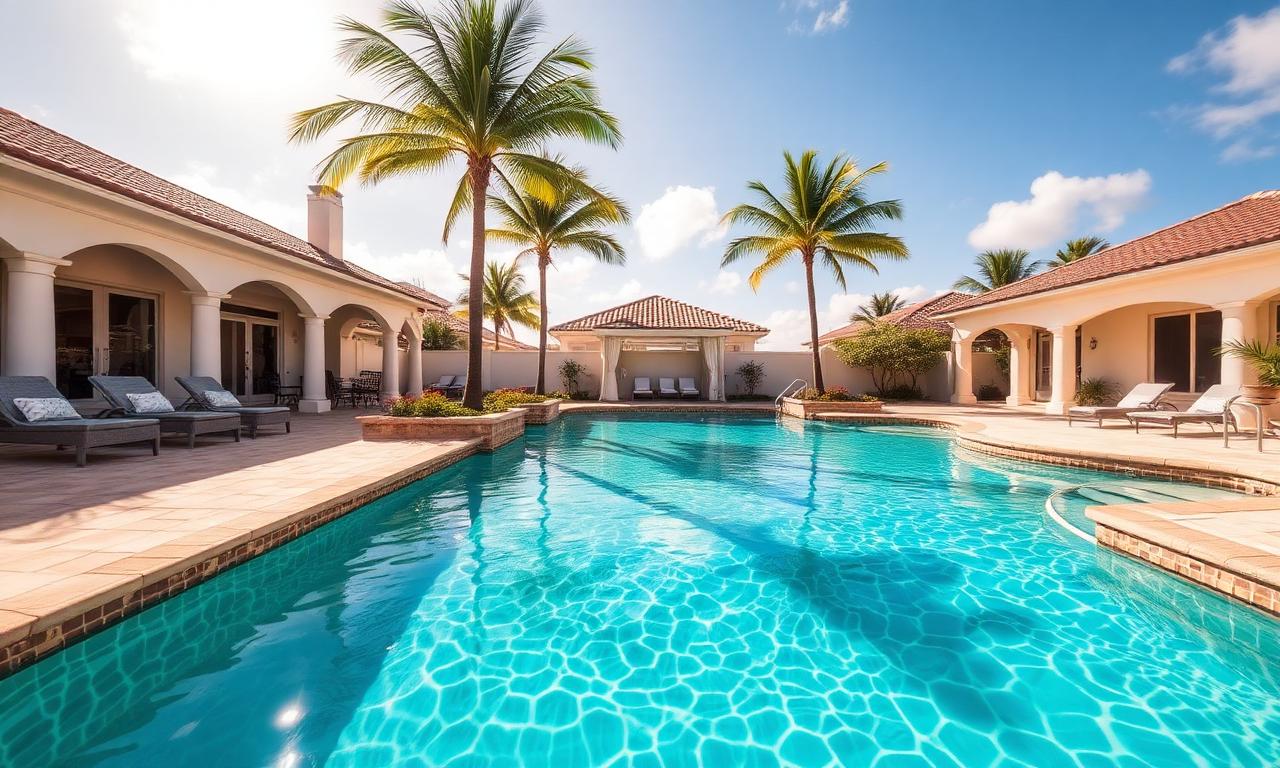
Living in Palm Beach County during the peak of summer means dealing with intense humidity and a sun that stays high and hot for most of the day. While we all enjoy the warm weather for a weekend swim, that same heat is constantly working against your pool. Many homeowners become concerned when they notice their water level dropping an inch or two over a few days, often fearing they have a leak. Usually, what they are witnessing is the natural process of evaporation, accelerated by our unique coastal environment.
The Science of Water Loss in Palm Beach County
Evaporation is more than just water turning into vapor. In South Florida, several factors converge to speed up this process. While the air temperature is a primary driver, humidity and wind play much larger roles than many realize. When the air is saturated with moisture, evaporation normally slows down. However, when we have those breezy afternoons common along the coast, that moving air sweeps away the moist layer directly above the pool surface and replaces it with drier air, causing the water level to drop faster.
Solar radiation is another major factor. Our pools act like giant solar thermal collectors. As the sun beats down on the water, the surface molecules gain enough energy to break free and escape into the atmosphere. On a particularly hot July week without significant rain, it is not uncommon for a local pool to lose a quarter-inch to a half-inch of water per day. Over a week, that can be a noticeable change in the tile line.
Why Maintaining the Right Level Matters
It might seem like a minor cosmetic issue, but a low water level can lead to serious mechanical problems. Most pool systems draw water through the skimmer. If the water level drops below the halfway mark of the skimmer opening, the pump can begin to suck in air instead of water. This is known as losing prime. When a pump runs dry, the motor can overheat, the internal seals can shrink or melt, and you may find yourself facing an expensive repair or a full pump replacement.
Beyond the equipment, water loss affects your chemistry. When water evaporates, it leaves behind the minerals and chemicals that were dissolved in it. This means your salt levels, calcium hardness, and stabilizer levels actually become more concentrated. If you are constantly topping off the pool without monitoring the chemistry, you might find that your water balance fluctuates wildly, making it harder to keep the water clear and comfortable for swimmers.
Distinguishing Between a Leak and Evaporation
We often get calls from worried clients who think their pool is leaking during a dry spell. A simple way to check this is the bucket test. Fill a plastic bucket with pool water and place it on the first step of the pool so it is partially submerged (this keeps the water temperature the same). Mark the water level inside the bucket and the water level of the pool on the outside of the bucket. After 24 to 48 hours, compare the two. If the pool level has dropped significantly more than the bucket level, you likely have a leak. If they dropped the same amount, you are just dealing with the South Florida sun.
Keep in mind that splashing and heavy use also contribute to water loss. If you have a large family using the pool every afternoon, the combination of "carry-out" water on swimsuits and splashing can account for a surprising amount of volume loss that mimics evaporation.
Practical Steps to Minimize Summer Loss
While you cannot stop the sun from shining, there are ways to mitigate the loss. If your pool has water features like fountains, waterfalls, or deck jets, consider running them only when you are actually using the pool. These features increase the surface area of the water exposed to the air and significantly boost evaporation rates. Additionally, keeping your pool chemistry in balance as the water level shifts will prevent secondary issues like scale buildup on the tile line.
If you find that your pool level is dropping faster than you can manage, or if you are worried that the summer heat has thrown your chemical balance out of whack, our team is here to help. We have years of experience maintaining pools in the specific climate of Palm Beach County and can ensure your system is running safely all summer long. Contact Collegiate Pools today to discuss our professional maintenance services or to schedule a diagnostic visit for your system.