
October 26, 2026
Identifying Common Pool Equipment Issues in South Florida
Learn how to identify and address common pool equipment failures, from noisy pumps to leaking filters, specifically tailored for South Florida backyard environments.
Recognizing the Warning Signs of a Failing Pump
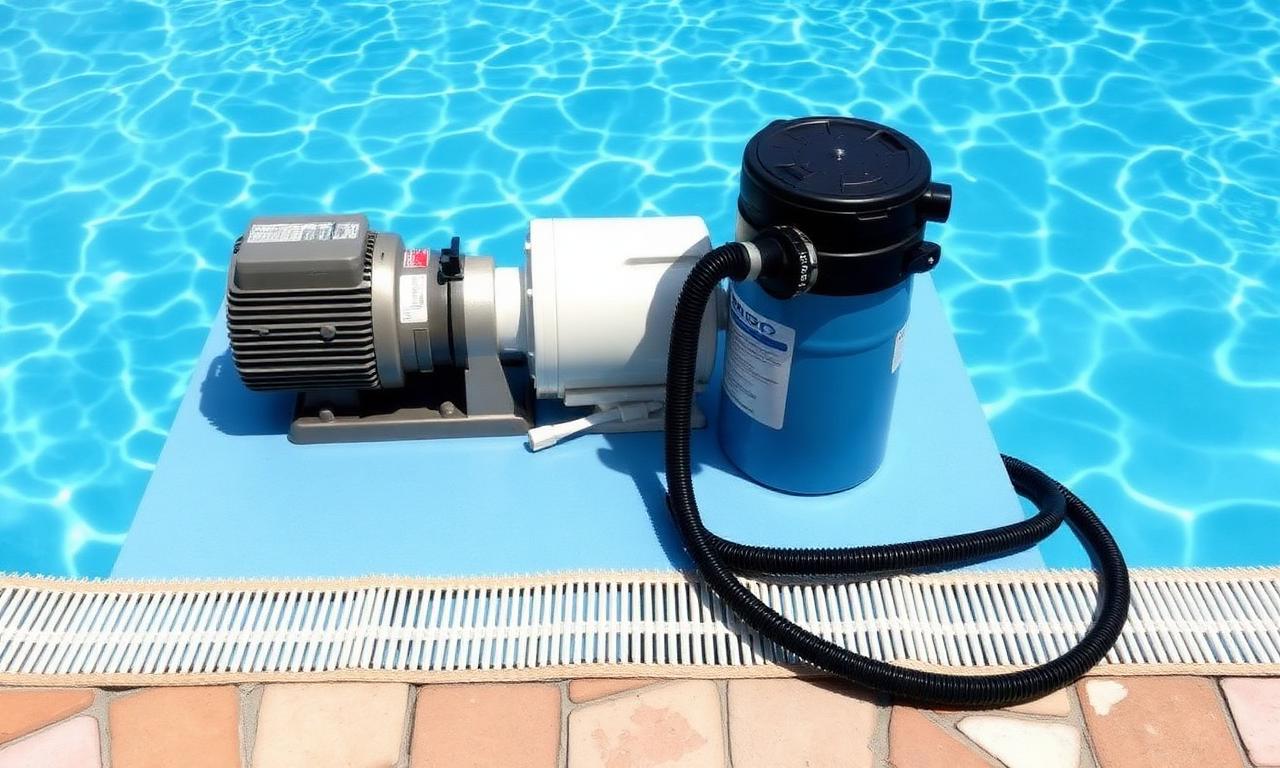
In the South Florida heat, your pool pump is the heart of your backyard oasis. It works overtime to keep water circulating through the filtration system, which is essential for preventing algae blooms during our humid summers. One of the most common issues we see at Collegiate Pools is a pump that begins to make a high-pitched screaming or grinding noise. This typically indicates that the internal bearings are failing, often due to age or water penetrating the seal. If you hear this, it is best to address it immediately before the motor seizes entirely.
Another frequent pump issue is the loss of prime. If you look through the clear lid on your pump basket and see a lot of air bubbles or no water at all, the pump is struggling to pull water from the pool. In our region, this is often caused by a shrinking O-ring on the pump lid due to intense UV exposure or a suction-side leak in the plumbing. Running a pump dry for too long can melt the internal components, so if the water flow looks weak, turn the system off and check the water level in the pool first.
Troubleshooting Filtration and Pressure Issues
The pressure gauge on top of your filter tank is the most important diagnostic tool you have. Under normal conditions in Palm Beach County, your filter should operate within a specific PSI range. When that pressure rises significantly above your "clean" baseline, it means the filter media is clogged. Between the heavy oak pollen in the spring and the debris blown in by sudden afternoon thunderstorms, our filters work much harder than those in dryer climates.
Conversely, if you notice the pressure is unusually low, it usually means there is a blockage before the filter. This could be a clogged skimmer basket or a pump basket full of palm fronds and leaves. If the pressure is fine but you see dirt returning to the pool through the jets, you may have a internal failure. In a cartridge filter, this often means a tear in the fabric; in a DE filter, it could be a broken grid or a compromised manifold. Because our ground stays saturated, small leaks around the filter tank can quickly lead to soft spots in the soil around your equipment pad, so keep an eye out for dampness.
Salt Cells and Heater Complications
Many South Florida homes utilize salt chlorine generators to manage water chemistry. However, these systems are sensitive to the mineral content of our local water. A common problem is the "Check Cell" or "Low Flow" light. This often means calcium scale has built up on the metallic plates inside the cell, preventing it from producing chlorine. Given our year-round swimming season, these cells are under constant load and usually require a chemical cleaning every few months to maintain efficiency.
For those with pool heaters or heat pumps, the salt air in coastal areas can be particularly brutal. Corrosion is a primary enemy of heater components. If your heater attempts to ignite but clicks off repeatedly, it could be a failed pressure switch or a fouled heat exchanger. Because these units involve complex electrical circuits and gas or high-voltage connections, they require a steady hand to diagnose correctly. Often, a simple blockage caused by a lizard or insect nesting in the cabinet is the culprit, which is a frequent occurrence in our tropical environment.
Identifying and Fixing Air Leaks
If you see a steady stream of bubbles coming out of the return jets in the pool, your system has an air leak. Air is being drawn into the plumbing on the suction side—the part of the system between the pool skimmer and the pump. While a few tiny bubbles might seem harmless, air in the system reduces the efficiency of your filtration and can prevent your automatic pool cleaner from moving across the floor.
Most air leaks in South Florida occur at the pump lid O-ring or at the threaded intake pipe where the plastic may have warped slightly from the heat. You can sometimes find the leak by pouring water over the valves while the pump is running; if the bubbles stop briefly, you have found the entry point. Addressing these small leaks early prevents the pump from losing prime during the night, ensuring your pool stays clear and well-circulated even when the thermometer hits the mid-nineties.
Maintaining a pool in Palm Beach County requires staying ahead of the wear and tear caused by our unique climate. If you notice strange noises, leaking pipes, or a loss of water pressure, the team at Collegiate Pools is ready to help. Contact us to schedule a professional diagnostic visit so we can keep your equipment running smoothly all year long.