
July 20, 2026
Troubleshooting Common Pool Equipment Problems in South Florida
Learn how to identify and diagnose common pool equipment issues like pump cavitation, filter pressure spikes, and clicking heaters specifically for South Florida backyards.
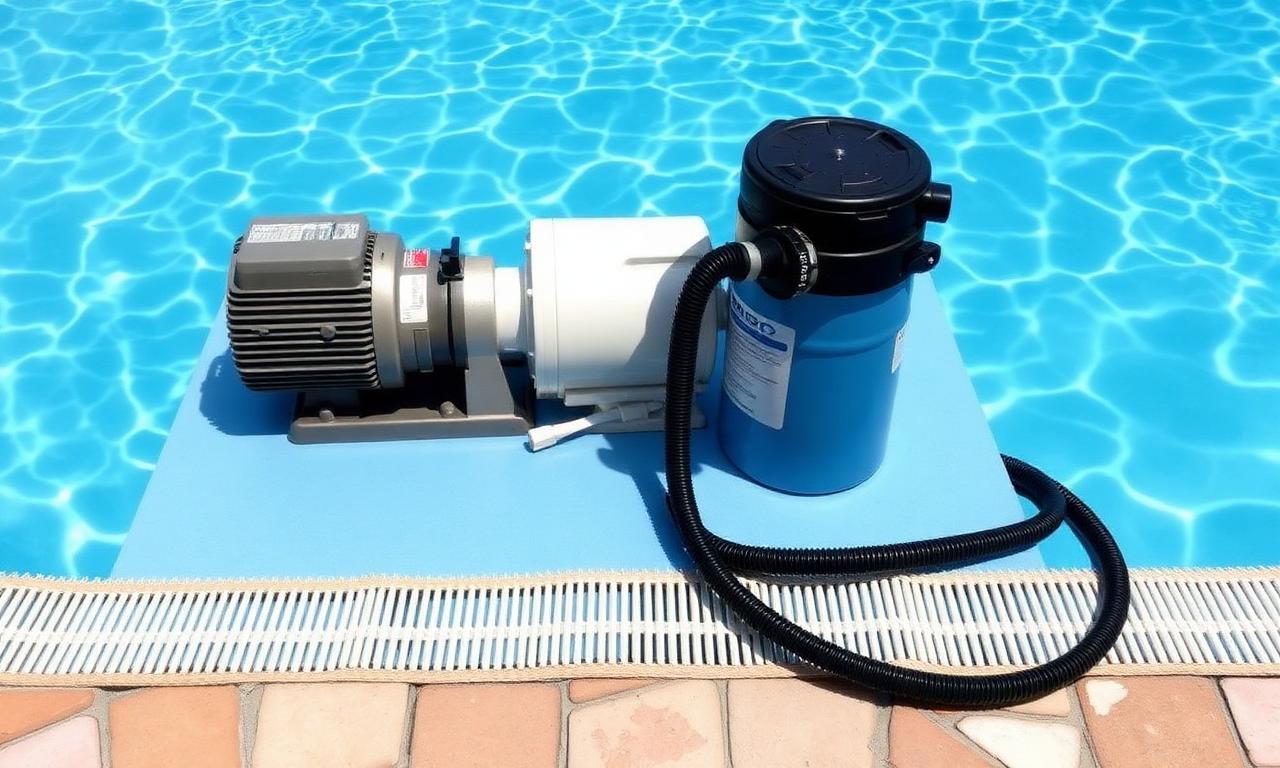
Living in South Florida means your pool equipment works harder than almost anywhere else in the country. Between the relentless humidity, the intense UVB rays, and the salt-heavy air drifting in from the Atlantic, your mechanical systems are under constant pressure. When a pump starts humming or a filter pressure gauge climbs, it is not just a nuisance—it is a sign that your circulation system is struggling to fight off the tropical elements.
Understanding what these sounds and symptoms mean is the first step in preventing a minor mechanical hiccup from turning into a costly equipment replacement. In our years serving Palm Beach County, we have seen how the local climate accelerates wear and tear. Here is a breakdown of the most common equipment failures and what they are trying to tell you.
The Warning Signs of Pump and Motor Failure
The pump is the heart of your pool. In South Florida, pumps often run longer hours to combat algae growth during the rainy season, leading to faster motor fatigue. One of the most common sounds homeowners report is a loud, high-pitched screeching or grinding. This almost always indicates that the internal bearings are failing. This often happens when a shaft seal leaks, allowing chlorinated water to reach the motor bearings and corrode the metal.
If you notice your pump basket is not filling with water or you see air bubbles swirling under the lid, you are likely dealing with a suction-side leak. This means the pump is pulling in air instead of water. South Florida’s heat can cause PVC fittings to expand and contract, eventually loosening the seals. If left unaddressed, this causes the pump to run dry, which can warp the internal plastic components and lead to a total system meltdown.
Why Your Filter Pressure is Spiking
Your pressure gauge is the most important diagnostic tool on your equipment pad. A standard rule of thumb is that when the pressure rises 8 to 10 PSI over your clean starting pressure, it is time for a cleaning. However, if your pressure spikes rapidly just days after a cleaning, it usually signifies a larger water quality issue.
During the summer months, high phosphorus levels from heavy rain or organic debris can cause microscopic algae blooms that clog filter pores faster than the eye can see. If you have a DE filter and notice powder returning to the pool, it usually means you have a torn grid or a broken manifold. For those with cartridge filters, if the pleats look flattened or feel oily, they have likely reached the end of their lifespan due to the heavy load of sunscreens and body oils common in our backyard swimming culture.
Salt Cell and Chlorinator Complications
Saltwater pools are incredibly popular in our area, but the salt cells require specific maintenance to function correctly. If your control panel displays a low salt light even after you have added salt, the cell is likely scaled with calcium. Our hard water in South Florida, combined with high temperatures, leads to rapid calcium buildup on the electrolytic plates.
If your chlorinator is clean but still failing to produce chlorine, it may be a sign that the sensor has failed or the cell has reached the end of its three-to-five-year lifespan. Salt air is naturally corrosive; we often find that the connection points and cords leading to the cell have oxidized, preventing the equipment from getting the power it needs to sanitize your water. Checking these connections for a crusty, greenish buildup can often save you from unnecessary equipment replacement.
Unusual Heater Noises and Cycles
While we do not use heaters year-round, they are essential for those cooler winter nights and for heating spas. If you turn on your heater and hear a banging or whistling sound—often described as a tea kettle reaching a boil—this is known as "knocking." This usually indicates that the water flow is restricted or that there is significant scale buildup inside the heat exchanger. The water is essentially turning to steam because it cannot move through the unit fast enough.
Another common South Florida issue is the heater "short-cycling," where it turns on and off every few minutes. This is frequently caused by a faulty pressure switch or a dirty filter. If the water isn't moving with enough force, the heater shuts down as a safety precaution to prevent overheating. Given our proximity to the coast, the internal copper tubing is also susceptible to pitting if the pool chemistry has not been perfectly balanced, leading to internal leaks.
Maintaining a pool in Palm Beach County requires a proactive approach to mechanical health. If you notice your equipment making strange noises or failing to keep the water clear, it is best to address the issue before the South Florida heat turns your pool green. The team at Collegiate Pools is ready to diagnose your equipment problems and get your backyard oasis back in top shape.