
October 12, 2026
Essential Care for New Pool Plaster During the First 30 Days
Learn how to protect your investment with a proper pool plaster fire-up. Discover the essential brushing, chemistry, and equipment steps for the first 30 days in South Florida.
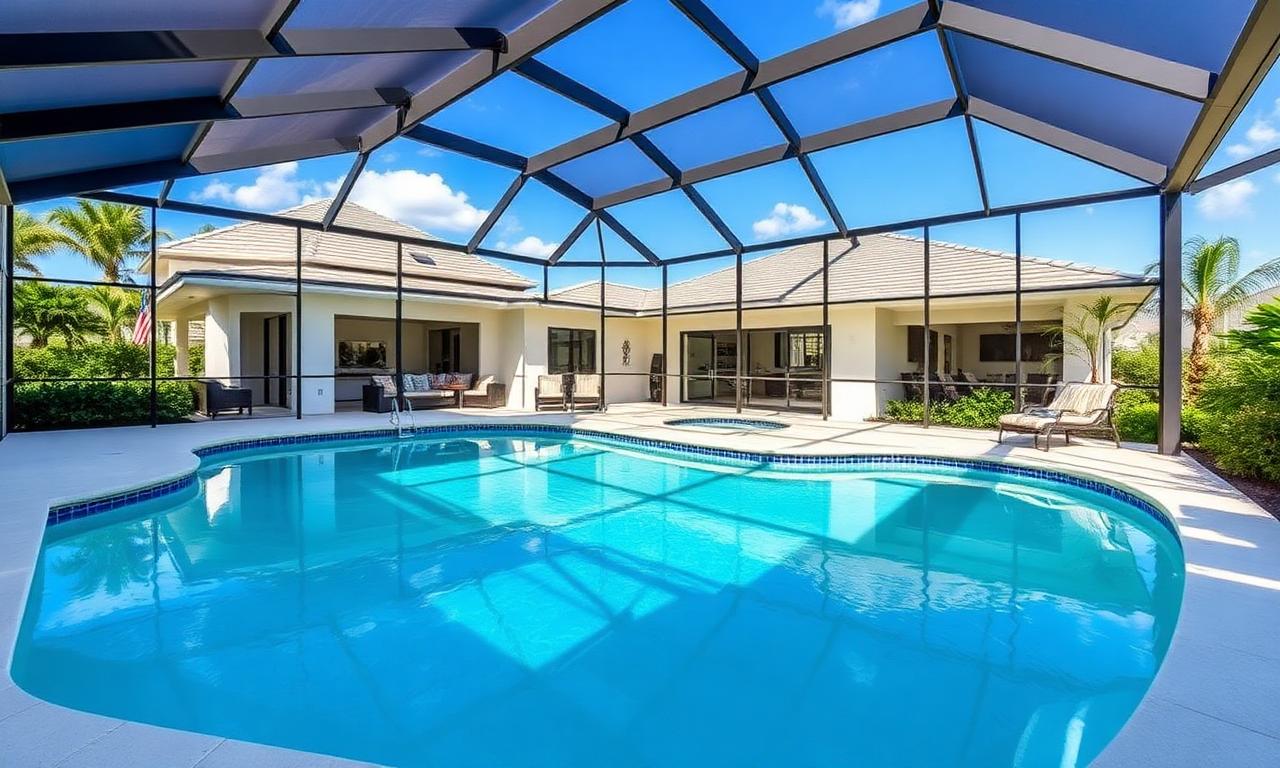
Finishing a pool resurfacing project is an exciting milestone for any Palm Beach County homeowner. However, the first 30 days after your pool is filled with water are the most critical in determining the long-term beauty and durability of that finish. In the industry, we call this the fire-up or start-up period. During this window, the plaster is still curing underwater. Because plaster is a cementitious product, it is reactive and soft. If you do not follow a strict maintenance protocol, you risk permanent staining, scaling, or a rough texture that no amount of chemicals can later fix.
In South Florida, our environment adds a layer of complexity. Between the intense heat that accelerates chemical reactions and the frequent rain that can alter your pH balance, you must be diligent. Here is what you need to know to protect your investment during the first month.
The Critical First 48 Hours
The process begins the moment the hose is turned on. It is vital that the pool is filled continuously until the water reaches the middle of the tile line. If you stop the water halfway, it can leave a permanent ring on the new plaster. Once the pool is full, the water chemistry will likely be aggressive. New plaster is highly alkaline and will cause the pH levels to spike rapidly.
During these first two days, your main goal is to keep the water balanced and the plaster clean. You should not use any automated cleaners or vacuums yet. The suction and wheels of a vacuum can leave tracks on the soft surface. Instead, focus on manual circulation. We recommend running the pool pump 24 hours a day during the initial start-up to ensure the water is constantly moving and being filtered. This helps remove the plaster dust that will inevitably cloud the water as the finish cures.
Brushing Is Your Best Defense
If there is one task that defines the first 30 days, it is brushing. You should brush the entire surface of the pool at least twice a day for the first two weeks. This is not about removing dirt; it is about managing plaster dust. As the plaster cures, it releases calcium carbonate. If this dust is allowed to settle on the floor or walls, it can harden into a rough, unsightly scale.
Brushing pushes this dust into suspension so the filter can capture it. In our South Florida humidity, it is easy to want to skip a session, but those fifteen minutes of manual labor are what ensure a smooth, marble-like finish. When brushing, start at the shallow end and push the dust toward the main drain in the deep end. Remember to clean your filter frequently during this month, as it will be working overtime to catch all that fine white powder.
Managing Chemistry in the Heat
Chemical management during a fire-up is a balancing act. For the first week, we generally avoid adding chlorine or salt. High chlorine levels can be too aggressive for fresh plaster, and salt should never be added to a new pool for at least 30 days. Adding salt too early can interfere with the curing process and lead to permanent damage to the finish.
Your primary focus will be the pH and Total Alkalinity. Because the curing plaster naturally drives the pH up, you will likely need to add liquid acid regularly to keep the levels between 7.2 and 7.6. In Palm Beach County, our tap water often has its own chemical profile that can complicate this, so testing the water daily is a necessity. After the first week, you can slowly introduce chlorine to prevent algae growth, which happens quickly in our tropical climate. However, you must avoid using calcium-based chlorine (cal-hypo) during this time, as adding more calcium to the water can contribute to scaling.
Protecting the Finish from the Elements
South Florida weather can be unpredictable. If a heavy rainstorm hits during the first 30 days, it can introduce organic debris and lower your pH. It is important to remove leaves and debris immediately using a net. Do not let organic matter sit on the bottom of the pool, as the tannins in leaves can easily stain fresh, porous plaster.
Furthermore, keep an eye on your water level. The summer heat leads to high evaporation rates, while afternoon downpours can cause an overflow. Keep the water at the halfway point of the skimmer to ensure the pump doesn't run dry and the surface remains properly submerged. By the time you hit the 30-day mark, the plaster should be sufficiently cured to resume normal operations, including the use of salt systems and automatic cleaners.
Properly firing up a new pool finish requires time and a precise touch to ensure the surface stays smooth and vibrant for years to come. If you have recently resurfaced your pool and feel overwhelmed by the daily brushing and chemical adjustments, Collegiate Pools is here to handle the heavy lifting. Reach out to our family-run team to discuss how we can manage your new plaster care and keep your South Florida pool in pristine condition.