
November 9, 2026
Post-Storm Pool Recovery: Restoring Clarity After Heavy Rain
Learn the essential steps to clean and balance your South Florida pool after a tropical storm, from debris removal to water chemistry adjustment.
Assessing the Damage and Safety First
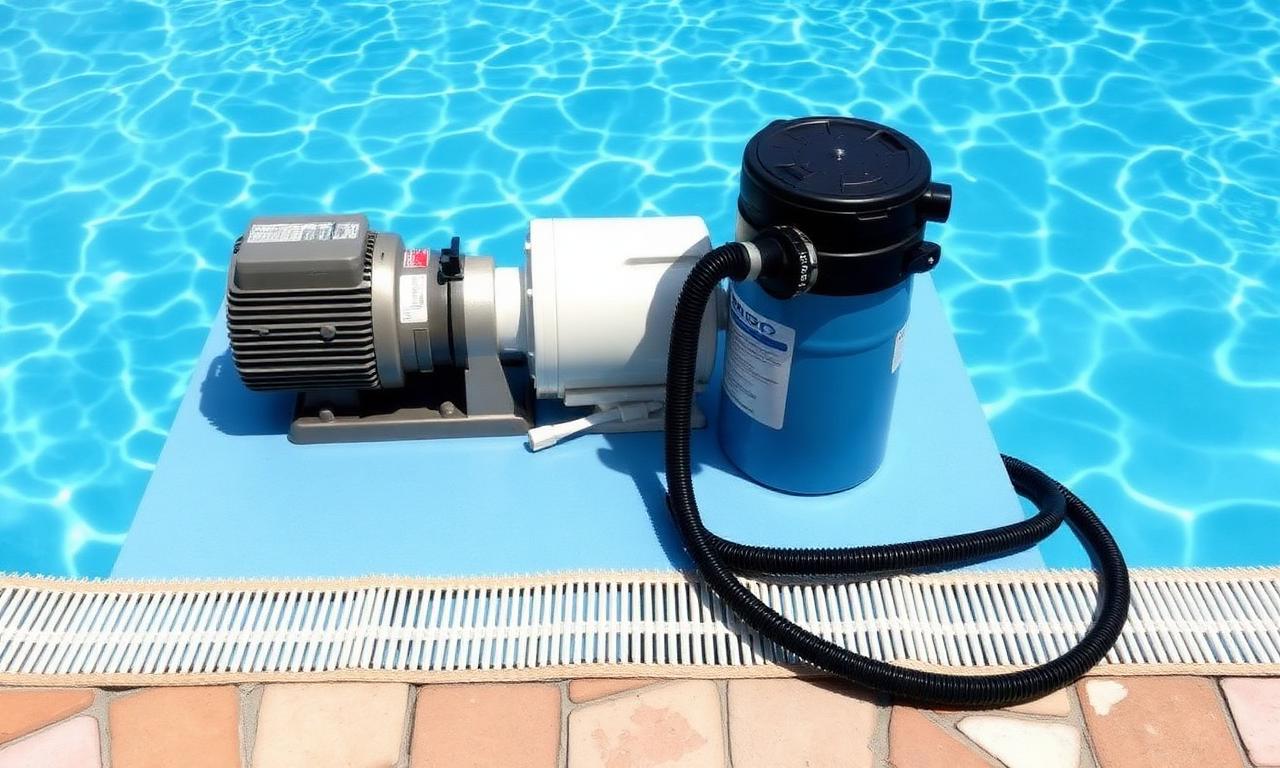
After a tropical storm or a severe South Florida downpour, the first instinct is to grab the skimmer net and start working. However, safety must be your priority. Before approaching the water, take a walk around your equipment pad. Check for any signs of flooding near your pump and motor. If you notice standing water around your electrical components, do not turn the system on. In our region, heavy rains often come with localized flooding that can submerge motors, leading to electrical shorts or permanent damage if energized while wet.
Once you have verified the equipment area is dry and safe, inspect the pool perimeter for downed power lines or structural damage to screen enclosures. If your lanai has been compromised, be wary of torn mesh or bent aluminum that could be hanging precariously. Only after you have confirmed the area is structurally and electrically sound should you begin the physical cleanup process.
Managing Water Levels and Debris Removal
One of the most immediate effects of a tropical storm in Palm Beach County is a significant rise in the pool's water level. While it may be tempting to drain the excess water immediately, you should wait until you have removed the majority of the organic debris. Large branches, palm fronds, and piles of leaves can clog your plumbing if they are sucked into the intake while the water level is dropping.
Use a leaf rake—the heavy-duty bag style, not a flat skimmer—to scoop out as much organic material as possible from the bottom of the pool. In South Florida, the heat following a storm causes organic matter to decompose rapidly, which can stain your plaster and consume your chlorine overnight. Once the heavy lifting is done, you can address the water level. The ideal level is halfway up the skimmer opening. If the water is touching the top of the skimmer or overflowing the coping, your skimmer cannot effectively pull surface debris into the basket, rendering your filtration less effective.
Deep Cleaning the Filtration System
Tropical storms introduce an incredible amount of fine silt, dust, and microscopic organic contaminants into the water. Even if the water looks relatively clear, your filter is likely working overtime to process these particles. After you have cleared the large debris, check your pump basket and skimmer baskets. Empty them of any pine needles, grit, or leaves that could restrict flow.
Next, monitor your filter pressure. If you have a cartridge filter, you will likely need to pull the elements and give them a thorough cleaning with a garden hose to remove the fine silt brought in by the wind. For D.E. or sand filters, a backwash is almost always necessary after a major rain event. If you skip this step, the trapped debris will significantly reduce your circulation, preventing your chemicals from distributing evenly and allowing algae to gain a foothold in the humid post-storm heat.
Balancing Chemistry and Preventing Algae
Rainwater in South Florida is generally acidic and can drastically alter your pool’s pH and total alkalinity. Furthermore, the sheer volume of water added during a storm dilutes your existing chemicals. The salt levels in saltwater pools will drop, and your stabilizer (cyanuric acid) levels will decrease, leaving your chlorine vulnerable to the harsh Florida sun.
Test your water as soon as the debris is cleared. You will likely need to boost your chlorine levels immediately to combat the contaminants introduced by the rain. A shock treatment is often necessary to "reset" the water. Pay close attention to your pH; if it drops too low, the water becomes corrosive to your equipment and uncomfortable for swimmers. If it rises too high, your chlorine becomes less effective. Given the high humidity that follows our storms, an unbalanced pool can turn green in less than twenty-four hours, so prompt chemical adjustment is vital.
Watching for Long-Term Issues
In the days following the storm, keep a close eye on the water clarity. If the pool remains cloudy despite balanced chemicals and clean filters, you may need to use a clarifier or an enzyme treatment to help break down the organic load. Also, check for any new stains on the floor of the pool. Metallic debris or tannins from leaves left sitting too long can leave marks that require professional treatment to remove.
If you find the cleanup process overwhelming or if your equipment isn't performing as it should after the weather clears, the team at Collegiate Pools is here to help. We have years of experience navigating the specific challenges that South Florida weather presents to residential pool owners. Contact us to schedule a post-storm inspection or a professional water balancing session to get your backyard oasis back in perfect shape.