
September 7, 2026
Maintaining Your Salt Chlorine Generator in South Florida Heat
Learn how to keep your salt cell running efficiently in the Florida heat. Our guide covers cleaning, water balance, and maximizing your generator's lifespan.
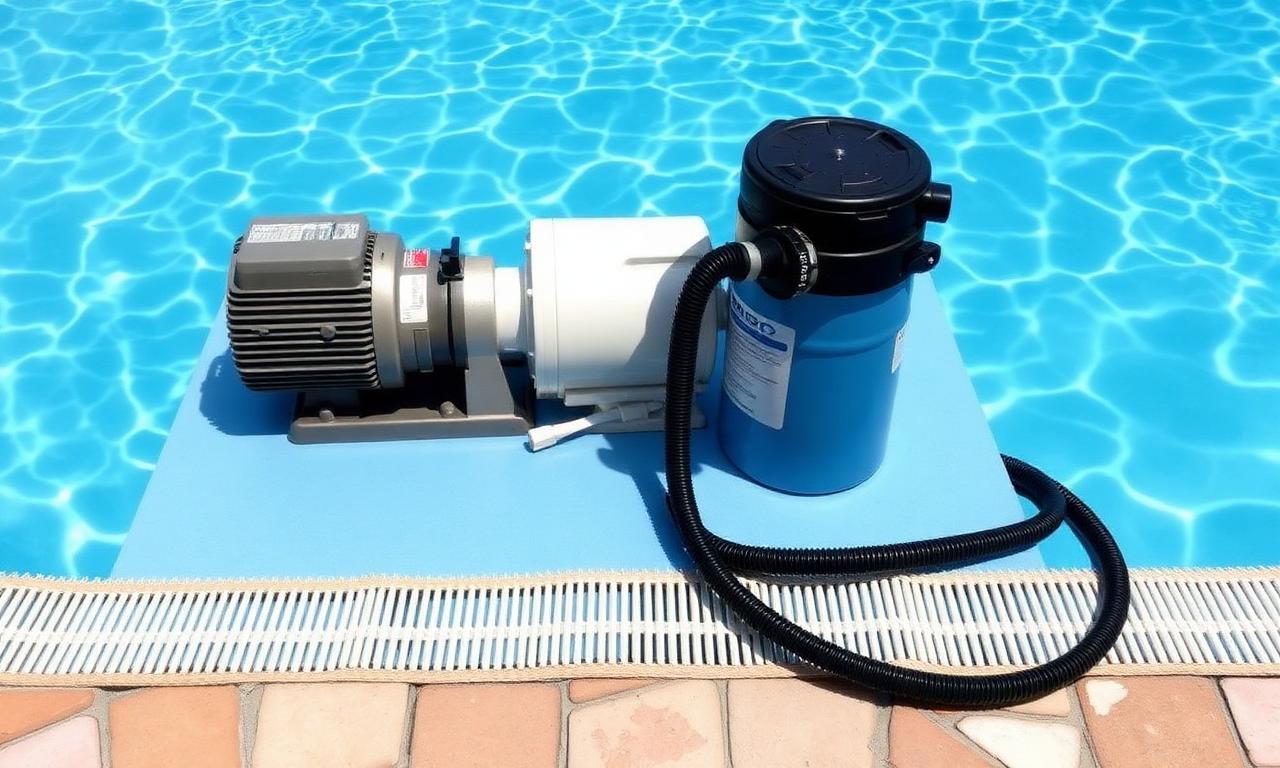
Understanding the Salt Cell Lifecycle in Palm Beach County
For many homeowners here in South Florida, switching to a salt chlorine generator was one of the best decisions they made for their pool. The water feels softer on the skin, and the constant, low-level delivery of chlorine helps combat the intense UV rays we deal with year-round. However, a salt system is not a "set it and forget it" piece of equipment. In our environment, where the sun beats down and pools run for long hours, the salt cell works harder than in almost any other part of the country.
The heart of the system is the electrolytic cell, which uses a process called electrolysis to turn salt into chlorine. Over time, this process naturally creates heat and chemical reactions that lead to calcium buildup on the internal plates. If you let that scale accumulate, the cell has to work twice as hard to produce the same amount of chlorine, which eventually leads to a premature burnout of the expensive internal components.
The Impact of High Temperatures and Scale
In South Florida, our water temperatures can easily climb into the 90s during the peak of summer. High water temperature, combined with the high pH levels often found in salt pools, creates a perfect environment for calcium scaling. When you look inside your salt cell, you may see white, flaky deposits on the metallic grids. This is calcium carbonate.
Even a thin layer of scale acts as an insulator, preventing the plates from conducting electricity efficiently. This is why many systems will trigger a "Low Salt" light even when your salt levels are perfectly fine. The sensor isn't actually reading the salt; it is reading the electrical conductivity. If the plates are covered in scale, the conductivity drops, and the system assumes the salt is low. Adding more salt in this scenario is a common mistake that can lead to corrosive water and damage to other pool equipment.
Proper Cleaning Procedures and Frequency
We generally recommend inspecting your salt cell every three months. In Palm Beach County, where we deal with heavy rain diluting chemicals and high evaporation rates concentrating minerals, this quarterly check is vital. If you see significant buildup, the cell requires a mild acid wash.
To clean the cell, you should always follow the specific manufacturer guidelines, but the general process involves using a diluted solution of water and muriatic acid. It is critical to add the acid to the water, never the water to the acid, to avoid dangerous splashing. You should only soak the cell long enough for the bubbling to stop. Over-soaking or using a solution that is too strong can strip the precious metal coating off the plates, effectively ruining the cell. Once the plates look clean and dark again, rinse the unit thoroughly with fresh water before reinstalling it.
Balancing Chemistry to Protect the Cell
Maintenance isn't just about cleaning the hardware; it is about managing the water that flows through it. In our region, keeping your pH and Total Alkalinity in check is the best way to extend the life of your salt generator. Salt systems naturally cause the pH to rise over time. When pH stays high, calcium becomes less soluble and plateaus onto your equipment.
Furthermore, you must keep an eye on your Cyanuric Acid (stabilizer) levels. The South Florida sun will burn off chlorine almost as fast as the generator can make it if there isn't enough stabilizer in the water. If your stabilizer is too low, you will be forced to run your generator at 100% output, which wears out the cell much faster. By maintaining a proper stabilizer level, you can run your system at a lower percentage, saving you money on replacement parts in the long run.
Inspecting Connections and Flow Sensors
Finally, do not overlook the external components. Salt air in coastal communities can lead to corrosion on the electrical pins where the cell plugs into the power center. During your quarterly inspection, check these connections for any signs of burnt plastic or green oxidation. A loose or corroded connection creates resistance, which generates heat and can melt the plug.
Also, ensure your flow switch is clear of debris. In the spring and fall, when we see increased leaves and organic matter, a clogged flow switch can prevent the system from turning on entirely. Keeping your pump baskets clear and your filter clean ensures a steady flow of water, which is necessary for the salt cell to operate safely and effectively.
If you are concerned about the performance of your salt system or if you have noticed your water getting cloudy despite the generator running, Collegiate Pools is here to help. Our family-run team has the experience to diagnose equipment issues and balance your chemistry for the unique South Florida climate. Contact us today to ensure your pool remains a clear and refreshing escape.