
September 21, 2026
Managing Spring Pollen in Your South Florida Swimming Pool
Learn how to protect your South Florida pool from heavy spring pollen. Expert tips on filtration, skimming, and chemistry to keep your water clear during the yellow dust season.
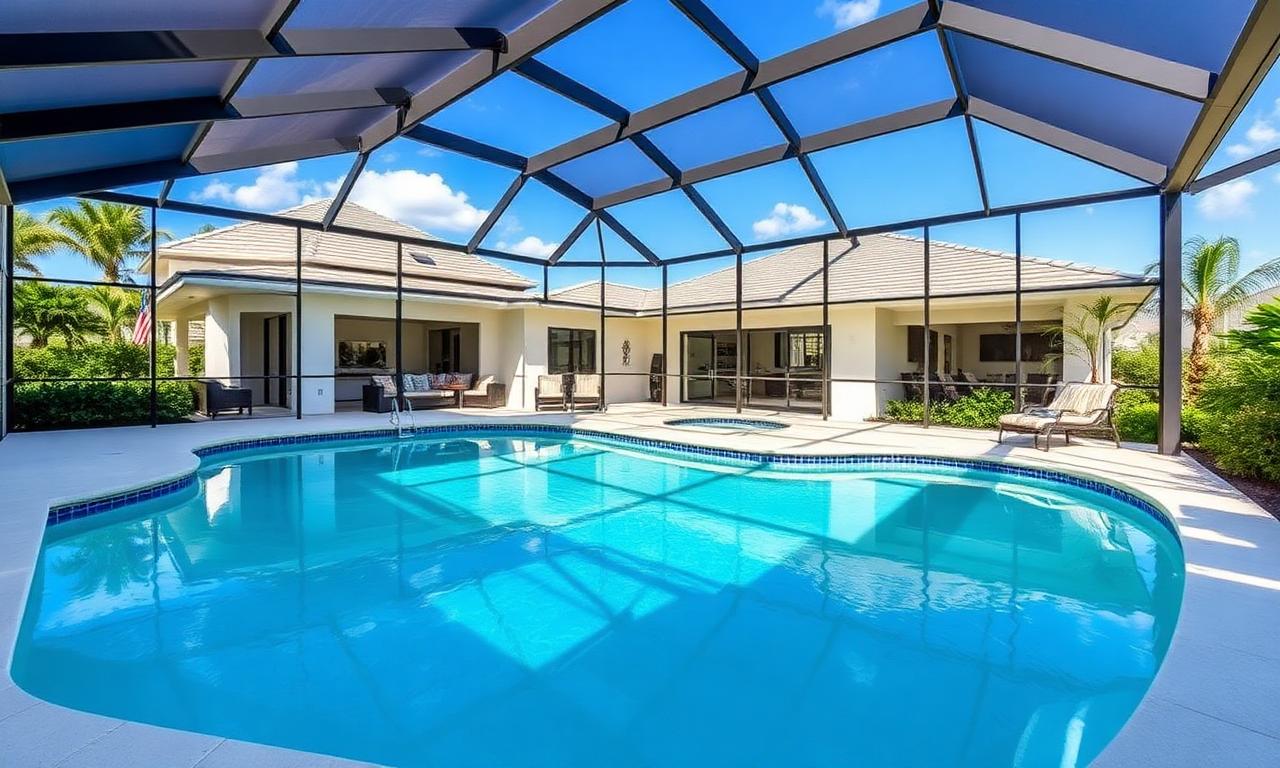
In Palm Beach County, spring doesn't just bring warmer weather; it brings the inevitable layer of yellow dust that covers every car, patio chair, and swimming pool surface. While South Florida is lush and beautiful year-round, the peak pollination period for oaks, pines, and palms can turn a crystal-clear pool into a cloudy, stagnant mess in a matter of days. Pollen is more than just a cosmetic nuisance; it is organic matter that puts a significant strain on your filtration system and your chlorine levels.
As a family-run business here in South Florida, we see firsthand how the unique combination of high humidity and heavy pollen loads can lead to rapid algae growth if not managed correctly. If you are noticing a yellow or greenish film on the water surface or seeing buildup around the tile line, it is time to adjust your maintenance routine to account for the season.
Increase Skimming and Empty Baskets Daily
The most effective way to deal with pollen is to remove it before it has a chance to sink to the bottom of the pool or break down into microscopic debris. During peak pollen weeks, wind often carries these particles directly into your water. You should make it a habit to check your skimmer baskets every single day. When the baskets become clogged with pollen-heavy debris, the water flow to your pump is restricted, which reduces the efficiency of your entire filtration system.
If you have a manual skimmer net, use it to clear the surface in the late afternoon. This is when the day's accumulation is usually at its worst. By removing the floating layer of yellow dust, you prevent it from saturating and eventually settling on your pool floor, where it becomes much harder to remove and acts as a food source for algae.
Adjust Your Filtration Run Times
Many South Florida pool owners try to save on their electric bills by running their pumps for the minimum amount of time possible. While efficiency is important, spring pollen season is the time to increase your pump’s runtime. Your filter is your best defense against the fine particles that a skimmer net cannot catch. Increasing your filtration cycle by two to four hours per day ensures that the water is turned over more frequently, capturing the pollen in the filter media before it can cloud the water.
If you have a cartridge filter, be prepared to clean it more often during these months. Pollen is sticky and oily; it can coat the pleats of a filter cartridge and significantly increase the pressure in your tank. Keep an eye on your pressure gauge. Once it rises 8 to 10 PSI above its clean starting pressure, it is time for a thorough rinse. For those with DE or sand filters, you may find that backwashing is required more frequently than in the winter months.
Monitor Chlorine and Phosphate Levels
Pollen is organic material, and as it sits in your pool water, it begins to decompose. This process consumes chlorine. You might find that your chlorine levels drop faster in the spring than they did in January, even if the temperature hasn't skyrocketed yet. If your chlorine levels fall too low while the pool is loaded with organic pollen, you are creating the perfect environment for an algae bloom.
Furthermore, pollen can contribute to rising phosphate levels in the water. Phosphates are essentially fertilizer for algae. When the South Florida rain showers begin to mix with the heavy pollen load, the chemistry can shift rapidly. We recommend testing your water more frequently during this period to ensure your sanitizer levels stay high enough to combat the increased organic load. If the water looks dull despite proper chlorine levels, a specialty enzyme treatment can help break down the organic oils and pollen more effectively than chlorine alone.
Manage the Tile Line and Pool Perimeter
Pollen often mixes with the natural oils found in the water to create a sticky ring around the tile line. If left to bake in the South Florida sun, this ring can become difficult to remove and may eventually lead to staining. Wiping down the tiles with a pool-safe brush or sponge once a week during the spring can save you from a much larger cleaning job later in the summer.
Additionally, pay attention to the area surrounding your pool. If you have overhanging trees or flowering shrubs, keeping them trimmed back can significantly reduce the amount of debris falling directly into the water. Hosing down your pool deck regularly will also prevent you and your family from tracking settled pollen into the pool on your feet, keeping the water cleaner for longer.
Maintaining a pool in Palm Beach County requires staying ahead of the local environment. If you find yourself struggling to keep up with the spring pollen or want to ensure your equipment is handling the load correctly, the team at Collegiate Pools is here to help. Reach out to us for professional service that keeps your backyard oasis clear and inviting all year long.