
September 28, 2026
Winter Pool Care Strategies for Year-Round South Florida Swimming
Discover how South Florida winters impact your pool chemistry, equipment run times, and algae risks. Keep your backyard oasis crystal clear even when the temperature drops.
In most parts of the country, winter pool maintenance involves a heavy cover, antifreeze in the pipes, and a long wait until spring. Here in Palm Beach County, we don't have an off-season. While the rest of the nation deals with snow, we deal with cooler nights, less rain, and lower humidity. However, just because the thermometer drops a few degrees doesn't mean you can ignore your pool.
Maintaining a pool in the South Florida winter requires a subtle shift in your routine. The biological and chemical processes in your water change when the temperature dips below 70 degrees, and the ways you manage debris and circulation must adapt to keep your water clear and your equipment running efficiently throughout the milder months.
Adjusting Your Pump Run Times and Filtration
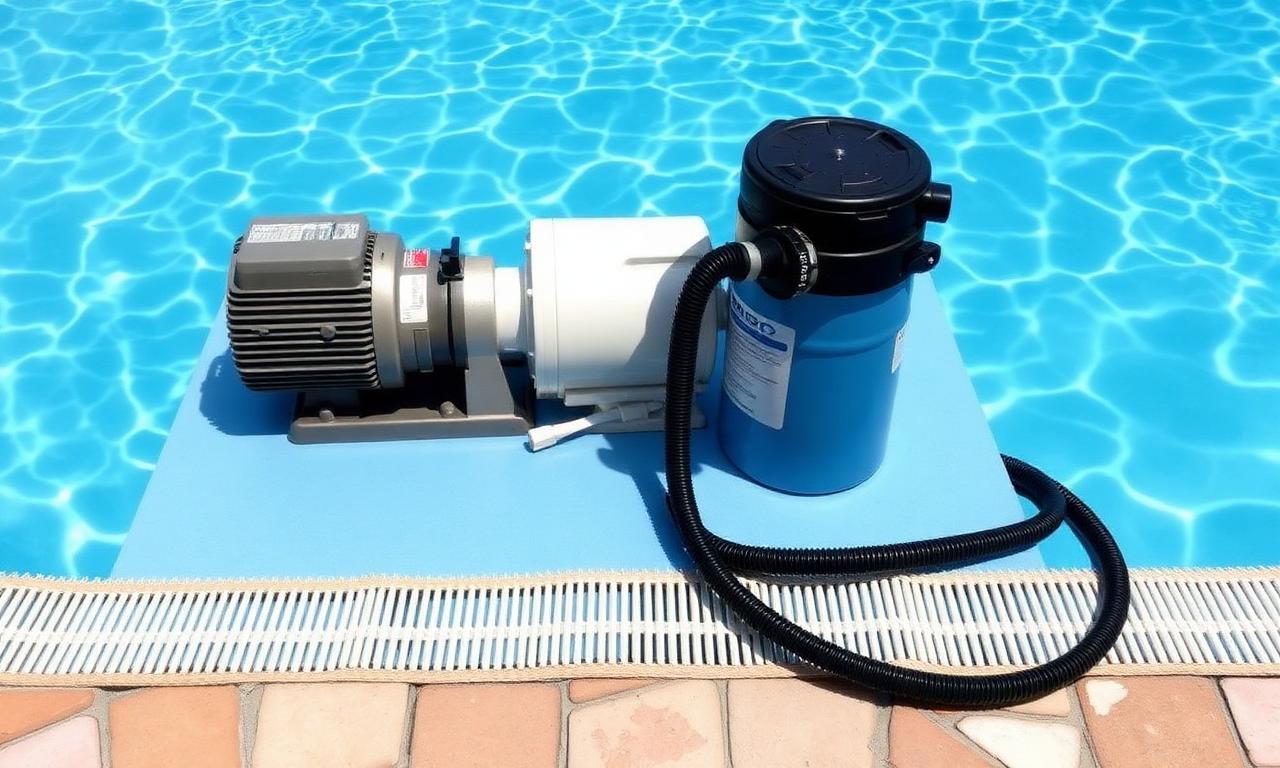
One of the most common questions we get at Collegiate Pools during the winter is how long the pump should run. During the peak of summer, high heat and heavy swimmer loads require the pump to run 8 to 12 hours a day to properly circulate water and distribute chlorine. In the winter, the biological demand on your pool decreases. Algae grows more slowly in cooler water, and the sun's UV rays aren't quite as aggressive at burning off your chlorine.
You can often reduce your pump run time by a few hours during the winter to save on electricity. However, you should never drop below the minimum required for a full turnover of your pool's volume. Stagnant water is still the primary cause of algae blooms, even in December. We recommend monitoring your water clarity closely when you adjust these times. If the water looks slightly dull or if you notice debris accumulating on the floor, you may need to bump the run time back up.
Chemical Balance in Cooler Water
Chemistry changes as the water cools. While you will likely find yourself using less chlorine than you do in July, other factors like pH and Calcium Hardness become more critical. Cooler water is naturally more corrosive. If your Langelier Saturation Index (LSI) drops too low, the water becomes aggressive and may begin to leach minerals out of your pool’s plaster or grout, leading to etching or pitting.
Evaporation rates also change during the winter. While we have less humidity, which usually accelerates evaporation, the lack of rain means you aren't getting that natural replenishment. You might find yourself adding water more frequently from the hose. Since South Florida tap water often has varying levels of minerals and alkalinity, every time you top off the pool, you are changing the chemical makeup. Regular testing remains essential to ensure your alkalinity doesn't spike or drop, which can lead to wild swings in your pH levels.
Managing Seasonal Debris and Organic Loads
Florida winters are famously dry, but they are also breezy. Cold fronts moving through the area often bring gusty winds that knock dried palm fronds, oak leaves, and spent tropical blooms into the water. Unlike the heavy tropical downpours of summer that wash everything into the skimmer quickly, winter debris tends to blow in steadily over several days.
It is vital to keep your skimmer and pump baskets clear. If these baskets become packed with dry winter leaves, it restricts water flow, putting unnecessary strain on your pump motor and reducing the effectiveness of your filtration. Furthermore, organic matter that sits on the bottom of a cooler pool can still cause staining. Even if you aren't swimming every day, a quick five-minute skim or a run of the vacuum once a week will prevent these organic tannins from discoloring your finish.
Heater Maintenance and Preparation
For many South Florida residents, winter is the only time the pool heater gets any real use. Whether you have a heat pump or a gas heater, you should never turn it on for the first time in six months without a quick inspection. Check the vents for any bird nests or debris that might have accumulated during the summer. Ensure the plumbing valves are correctly positioned to allow water flow through the heating unit.
Running a heater will also increase your evaporation rate significantly. If you are heating your pool to a comfortable 84 degrees while the night air is 55 degrees, you are essentially creating a giant humidifier. Keep an eye on your water level to ensure it doesn't drop below the skimmer line, which could cause the pump to run dry and overheat. If you plan on heating the pool consistently, using a solar blanket or liquid pool cover can help retain that heat and reduce the amount of water and chemicals lost to the air.
Winter in Palm Beach County is a beautiful time to enjoy your backyard, but it requires a focused approach to maintenance to keep the water healthy. If you need a hand adjusting your chemical balance for the cooler months or ensuring your equipment is ready for the season, the team at Collegiate Pools is here to help. Contact us today to discuss how we can keep your pool pristine all year long.